

Understanding the Dynamics of Non-Followers on Social Media
In today’s digital age, social media platforms like Instagram, Twitter, and Facebook have become integrated into our daily lives. One of the common concerns among users is the question of who doesn’t follow me back. This topic often leads to deep introspection about our online relationships and engagement. If you’re looking to discover who isn’t following you back, consider using a reliable tool such as the who doesn’t follow me back on instagram app. In this article, we will delve into the psychology behind unfollowing, the importance of follower engagement, and strategies to manage your online presence effectively.
Why Do People Unfollow?
The reasons behind why people choose to unfollow others on social media can vary widely, and understanding these motivations can help you maintain a healthy online presence. Here are some common reasons why followers may drop off:
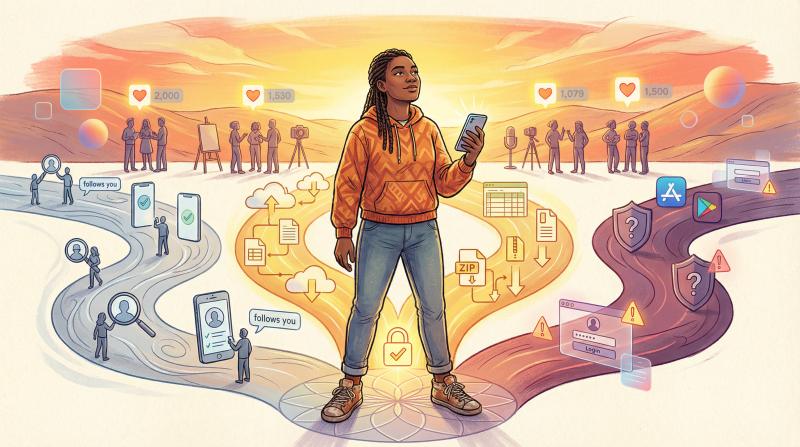
- Content Saturation: Frequent posting or overly promotional content can lead to follower fatigue. Users may feel overwhelmed and choose to unfollow if they perceive an account as spammy.
- Changing Interests: Social media users often evolve in their interests and preferences. As users mature, their feeds may need to reflect more relevant content.
- Engagement Levels: If users feel that their comments, likes, and shares are not reciprocated, they may choose to unfollow to curate their experience to include more engaging profiles.
- Unfollow for a Fresh Start: Sometimes, users clean up their feeds to create a fresh atmosphere, opting for a more curated selection of accounts that provide value to them.
The Importance of Engagement
Engagement is key in the realm of social media. The more engaged your followers feel, the less likely they are to unfollow you. Here are some strategies to enhance your engagement:
- Be Authentic: Authenticity breeds trust. Share genuine content that resonates with your audience and reflects your personality.
- Respond to Comments: Interacting with your followers by replying to their comments can foster a sense of community and loyalty.
- Share Relevant Content: Understand your audience and share content that is relevant to their interests. Analyze what types of posts get the most engagement and create similar content.
- Use Stories and Live Sessions: Instagram Stories and live sessions offer real-time interaction opportunities, making your followers feel more connected.
Managing Non-Followers
Knowing who doesn’t follow you back can be a valuable insight. It allows you to evaluate your strategy and make necessary changes. Here are steps to effectively manage non-followers:
- Use Tracking Tools: Use apps specifically designed to track unfollowers. These tools can provide insights into your follower growth and retention rates.
- Assess Your Content Strategy: Take time to analyze the type of content you produce. Are you meeting the expectations of your audience? Revise your strategy based on feedback and engagement rates.
- Don’t Take It Personally: Remember, unfollowing often has little to do with you as a person. Users might unfollow due to changes in their own lives or interests.
Conclusion
In the world of social media, understanding the dynamics of following and unfollowing is crucial. By investing time in understanding why followers leave and actively engaging with your audience, you can create a satisfying online environment for both yourself and your community. Remember that tools like the who doesn’t follow me back on instagram app can aid you in monitoring your followers effectively, ultimately helping you make informed decisions about your social media presence. Embrace the fluctuations with an open mind, and leverage them to enhance your digital journey.